A recent study published in the journal Neurology (you can access the original article here) analyses how palliative care resources are used in patients with prion diseases, such as Creutzfeldt-Jakob disease, based on the experience of several clinics in the United States.
Prion diseases are rare, rapid and devastating conditions for which there is still no cure. Current medical care must therefore focus on improving the quality of life of those affected and their families. Palliative care plays an essential role in this regard: it helps to alleviate symptoms, provides support in difficult decision-making and offers emotional and social support at all stages of the disease.
The recently published study reviewed the cases of 172 people diagnosed with prion disease who were treated in the Mayo Clinic hospital network (United States) between 2012 and 2023. The researchers collected information about: the symptoms presented by patients, when they were referred to palliative care, and how that care was provided (in hospital, at home, or in specialised palliative care centres).
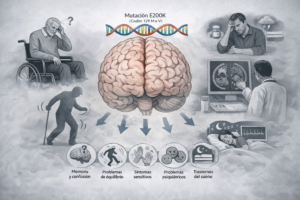
The data collected show that almost all patients (95%) suffered symptoms at some point during the course of the disease that could be improved with palliative care. The most common symptoms described were difficulty walking, sleep disturbances, involuntary movements, and behavioural problems.
However, despite presenting symptoms that could be improved with specialised care, more than a third of patients never received it. When these services were accessed, it was late in the course of the disease, in many cases in the last months or even weeks of life. Among the early signs that most favoured referral to palliative care or symptomatic treatment were behavioural changes (agitation, irritability, combative behaviour) and constipation, which often forced medical teams to seek specialised help. In addition, the researchers found that palliative care was more frequently received after a visit to the emergency room or hospital admission, indicating that specialised care often only arrives when the situation is already very critical.
Although this information is probably not unknown to relatives and carers of people affected by prion diseases, one of the most important messages from the study is that palliative care should not be confused with end-of-life care alone.

The authors point out that these services include much more, such as relief from symptoms such as pain, insomnia, difficulty swallowing or anxiety, practical guidance on nutrition, mobility or the most suitable environment for care, and emotional, psychological and spiritual support for both the person affected and their family. In addition, they emphasise that specialised palliative care services could help or facilitate advance planning, i.e. being able to discuss the patient's wishes regarding hospitalisation, place of care or even post-death procedures, such as a brain autopsy, which would result in a better quality of life, less suffering and greater support for carers.
Although in many respects the study's findings reflect a situation specific to the US due to differences between its healthcare and care system and that of Spain, the study shows that there is still room for improvement in the way people with prion diseases are cared for and that advancing the entry into palliative care can: help manage symptoms from early stages, reduce unnecessary hospitalisations, reinforce patient autonomy, and provide families with more tools and support to cope with day-to-day life.
Researchers point out that although most patients accepted palliative care when it was offered to them, in many cases the referral was not made in time. This reflects the need to continue raising awareness among professionals, patients and families about the benefits of integrating palliative care as early as possible.
In summary, this study provides scientific evidence for something that many families already perceive in practice: palliative care is essential in prion diseases and should be available from the outset, not just in the final stages. Ensuring early and comprehensive access to these resources is an opportunity to improve patient well-being, alleviate the burden on carers and promote more humane and person-centred care.

 English (UK)
  Español
  Français